Is Branding Dead?
It is a slightly awkward question to ask when you run a branding agency, but I think it is one we should be willing to consider. When a business can generate a logo, assemble a website and produce a convincing set of images using tools available to almost anyone, it is reasonable to wonder what people are paying an agency to do. For those of us working in design, the answer can be difficult to demonstrate. Clients can see the logo, typography and colour palette, but the conversations, judgement and decisions behind them are less visible. If we have allowed branding to be understood mainly as the production of these assets, we should hardly be surprised when people look for a quicker, cheaper way to obtain them.
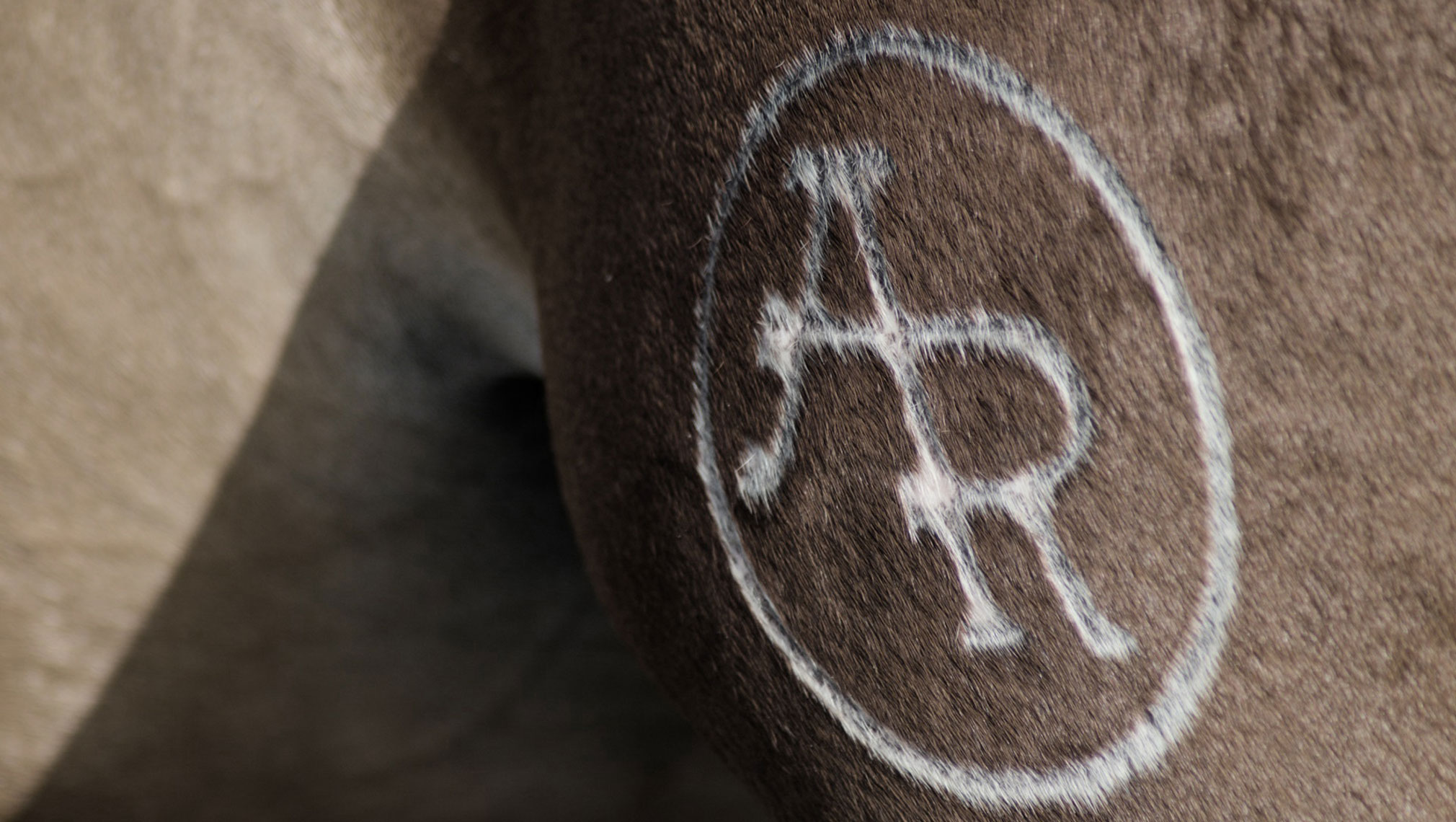
Branding began as a way of identifying ownership of cattle. It has since become a way for businesses to distinguish themselves and give customers a reason to choose between products and services that might otherwise appear quite similar.
It draws on what makes a business distinctive, from its origins and expertise to its beliefs and personality, and expresses that in a way people can understand. Yet making a business look convincing does not necessarily give it that distinction, any more than putting on a good suit gives someone an interesting personality. An attractive identity can get you noticed, but it cannot invent a compelling reason to choose you.
There is another challenge. Even when a business has a story worth telling, people do not necessarily have the time or inclination to listen. We move quickly between the things competing for our attention, and a potential customer may give a business little more than a glance before moving on. Social media and influencers can make that first encounter possible, introducing a product to people who might never otherwise discover it. But being seen is only the beginning.

Someone might recognise an image or remember a recommendation without gaining much understanding of the business behind it, while trust in an influencer does not automatically become trust in the brand.
That understanding is built through everything that follows, whether a useful website, a conversation with someone knowledgeable, a well made publication, thoughtful packaging or the experience of using the product. Each encounter gives people a little more evidence of what the business is really like. Visual identity has an important role here, helping a business express its character and become recognisable, often before anyone has read a word. Beautiful photography and thoughtful language can entice us, but they cannot compensate indefinitely for an experience that disappoints. This is where branding becomes most interesting, in the relationship between what a business says and what its customers actually encounter.

People may never read the brand story, but they will form an impression through the product, the service and the way the business behaves.
So, is branding dead? Its value becomes harder to justify when it settles for familiar words and attractive surfaces, particularly as those surfaces become easier to produce. But helping a business establish a meaningful difference, express it clearly and earn people’s trust remains a considerable challenge. As someone who runs a branding agency, I would rather be judged on how well we help a business meet that challenge than on how convincingly we can make it look the part.
Why this matters
More from
Brand
: Insight, Creative & Strategy