Who gets to define engagement?
One of the books I read while I was away this summer was Careless People by Sarah Wynn-Williams. It is an extraordinary, enlightening and often frightening account of life inside Facebook, but it also left me thinking about the influence social platforms have acquired over the way brands communicate.
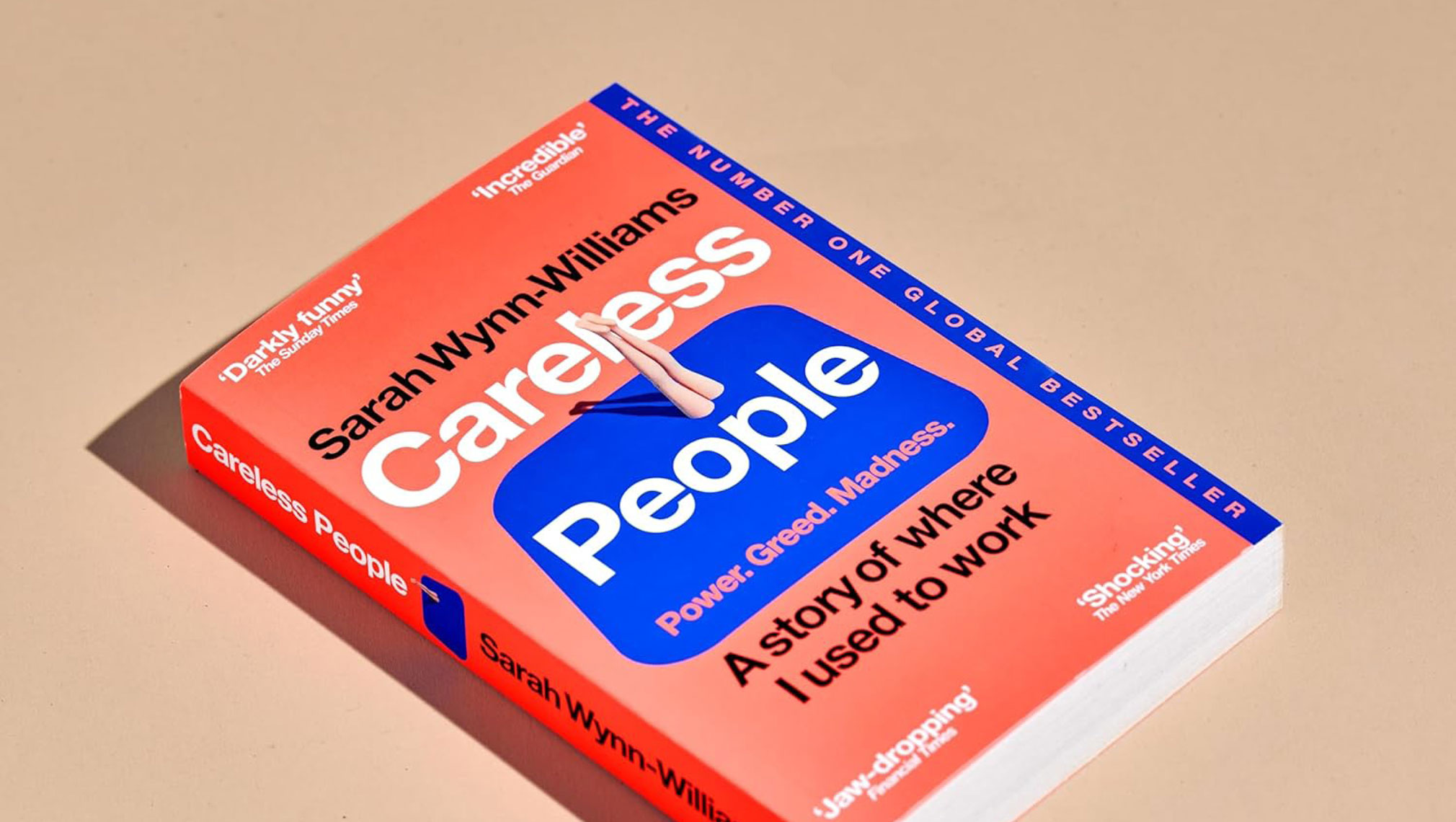
Last November, we asked whether brands were working for their audiences or for social platforms. As businesses create more content to satisfy the demands of algorithms, it is worth asking who really benefits from all that activity.
There is another question sitting behind that one: have we also allowed social platforms to define what engagement means?
I was talking to a photographer recently who said that video receives more engagement on social media than still photography. That may well be what the figures show, but I think we need to be careful about what those figures are actually telling us.
Movement naturally catches the eye. A video may make someone pause because it interests them, but they might also linger because they are confused, irritated or simply trying to work out what they are looking at. The platform records the behaviour, but it cannot necessarily understand the reason behind it.

I notice this regularly on YouTube. Despite having deliberately subscribed to channels I want to follow, much of what I am shown comes from elsewhere. Some of it is useful, but a great deal feels designed primarily to provoke curiosity or capture attention. Occasionally, I pause over something because I cannot quite believe what I am seeing. As far as the platform is concerned, that additional viewing time may be evidence that the recommendation worked. From my perspective, it may be evidence of the opposite.
The same is increasingly true on Instagram. Brands can spend years building a following, only to find that their posts reach a relatively small proportion of the people who have actively chosen to follow them. Meanwhile, recommended content competes for space in the feed because the platform believes it is more likely to generate a reaction.

Platforms have created their own measurable definition of engagement, and brands have largely accepted it.
A view, a pause, a click and a comment can all be useful signals, but they are not interchangeable with genuine interest. Attention tells us that something made a person look. Interaction tells us that they did something in response. Neither necessarily tells us what they understood, how they felt, what they remembered or whether the encounter created any lasting value.
This matters because platforms do not merely measure content. Their measurements influence what brands create.
If video is rewarded, brands produce more video. If exaggerated headlines, contrived opening hooks and rapid edits hold attention, those conventions spread. The pressure to remain visible can gradually push brands towards creating content that resembles everything else competing for attention, even when it bears little relationship to their own character.

So, are brands supposed to create clickbait to compete with clickbait?
Of course, every form of communication needs to respond to the environment in which it appears. A film, photograph, email, article and conversation each work differently, and adapting an idea to suit its channel is simply good communication. The danger comes when adapting to the channel begins to change the character of the brand.
Capturing attention only matters if what follows deserves it. A brand can satisfy the algorithm while gradually losing the interest or respect of the people it actually wants to reach.
Why this matters
More from
Technology
: Insight, Creative & Strategy