Holidays Beyond the Screen
On holiday in Crete this summer, I took four books with me, determined to rediscover reading and give myself a break from my phone. To my slight surprise, it went rather well, with the phone remaining in the hotel room safe and making only occasional appearances to settle restaurant bills or find a suitable playlist for an evening sundowner. After a few days, I found myself looking up from my book with the quiet superiority of someone who had recently discovered that books contain words.

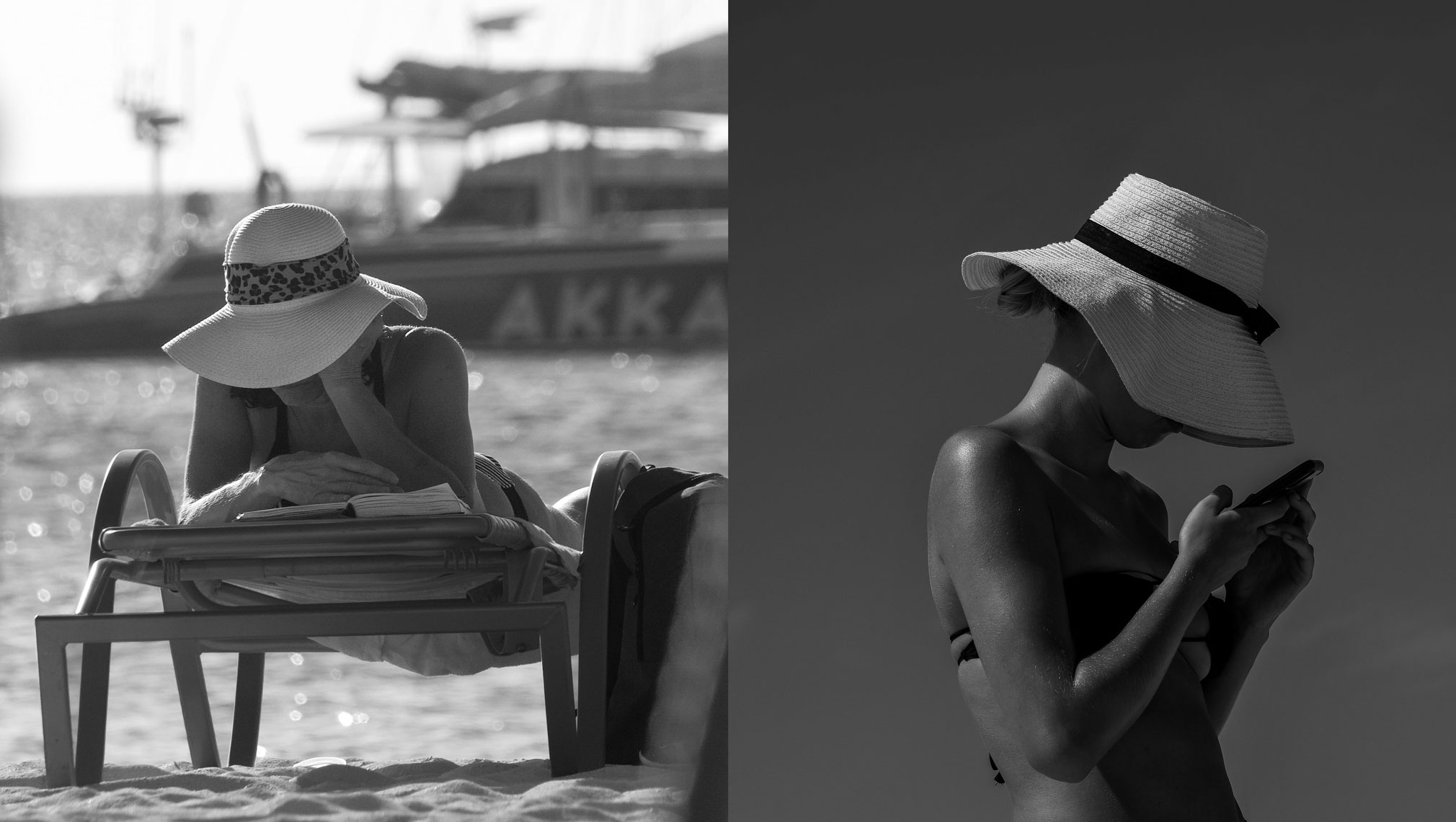
Surveying the rows of sun loungers occupied by people whose attention appeared to be somewhere other than the beach. At dinner, I noticed whole families gathered around tables, each absorbed in a separate screen while the evening unfolded around them.
My newly acquired virtue was probably temporary, and I had no idea what any of them were actually doing. They might have been reading something brilliant, checking in with someone they loved or dealing with a problem that couldn’t wait, so I was hardly in a position to judge. What stayed with me, though, was the sheer variety of things those devices could be delivering, from work emails and family WhatsApp conversations to Instagram, TikTok, LinkedIn and YouTube, all competing for attention beneath the Cretan sun. As I thought about returning to work, I began to consider my own small contribution to that endless stream and how much reason anyone really had to notice it.
What also struck me was how much of our interaction with the world now takes place through our phones, with work, friendships, news, shopping and entertainment all conducted within the reduced dimensions of a screen.

A conversation with someone we love occupies the same small space as a sales message from a business we barely know, while a world event is followed by a restaurant recommendation or somebody’s new shoes.
Experiences that would otherwise have very different settings, significance and emotional weight are brought together in one continuous feed, leaving us, as business owners, trying to communicate something distinctive within a few inches of glass.
We have all read the articles about our relationship with our phones, the endless scrolling and the difficulty of concentrating on anything for more than a few moments, but the question that interested me was closer to home. As a business owner, how do I get anything I have to say to matter within a space where so many other things are asking to be seen?
Somewhere between a family photograph, a work email, a political argument and a video of a dog doing something inexplicably impressive, I am hoping somebody will pause to consider what Delight has to offer, which begins to feel quite an ambitious ask when you look at it from their perspective.
From my side of the screen, a post might represent years of experience, a carefully considered opinion or a project we have spent months creating. From the other side, it arrives between two entirely unrelated things, with very little reason for anyone to give it special treatment. The care that went into making it is largely invisible, and the person scrolling owes me none of their time, however proud I might be of the work. That is easy to forget when you have spent an afternoon choosing images and refining a paragraph, only to watch it disappear into the feed with barely a flicker of acknowledgement.
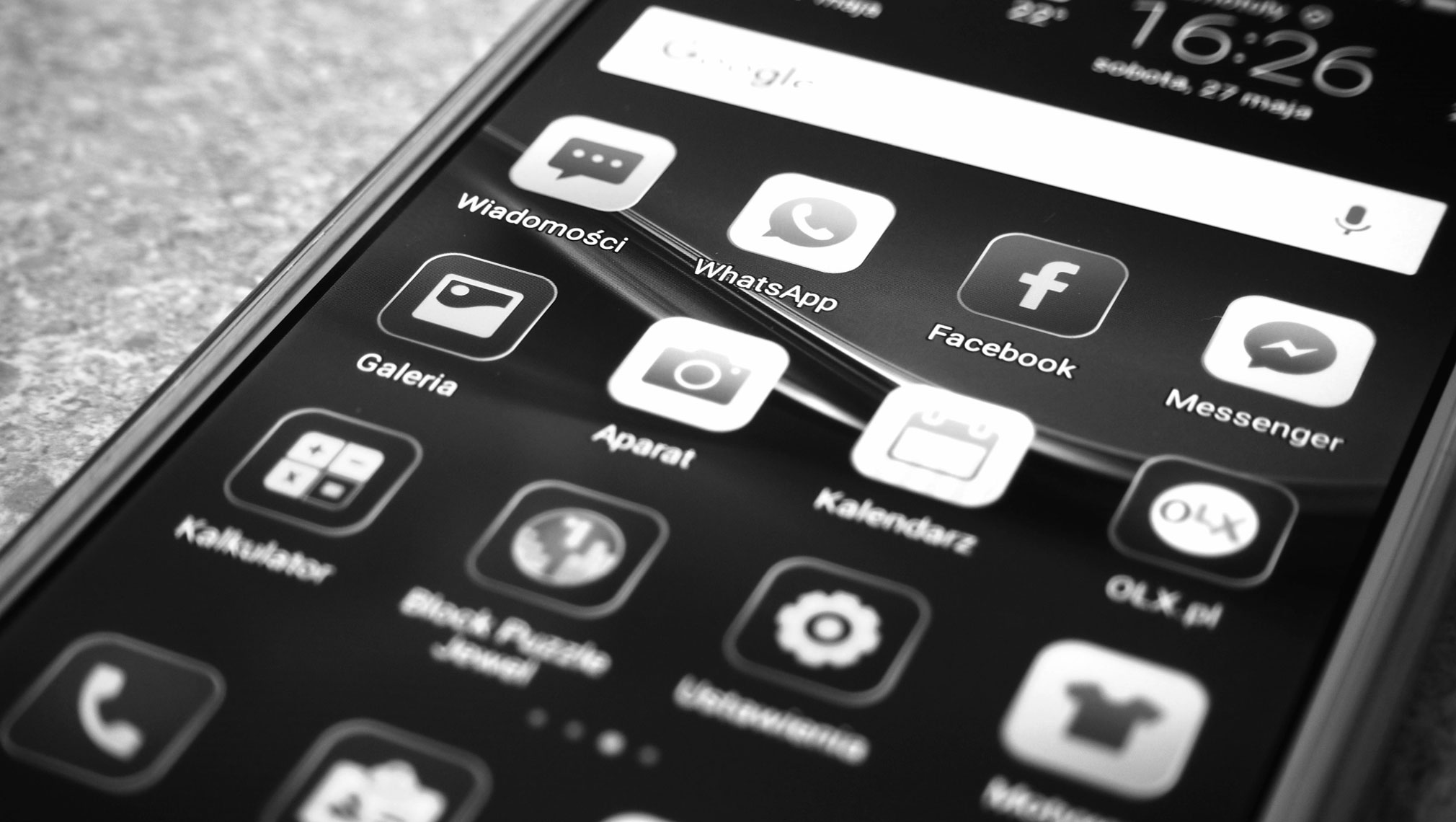
Much of the advice businesses receive encourages us to keep producing, posting more regularly, making more video, sharing more insights and giving people more opportunities to encounter us. There is a practical logic to this, but I sometimes wonder how much of what we publish exists because we have something worth saying, and how much exists because we are worried about falling silent.
The temptation is then to make the next post more arresting, more immediate and more likely to stop a thumb, until you find yourself shaping your opinions around what might perform. We spend our working lives helping clients express what makes them distinctive, yet the pressure to remain visible can make our own communication increasingly familiar: another polished project image, another observation about authenticity, another piece of advice that nobody could reasonably disagree with.
The things I remember tend to have a recognisable person or conviction behind them, giving me a sense that someone has noticed something, thought about it and found a way to express it that feels specific to them. They might make me laugh, help me understand a problem or put words to something I have felt without quite being able to explain, and that is usually when I willingly give my attention.

As a business owner, I would like to create more of those moments, while accepting that even a thoughtful piece can reach someone at the wrong time and that no amount of care will make our message relevant to everybody.
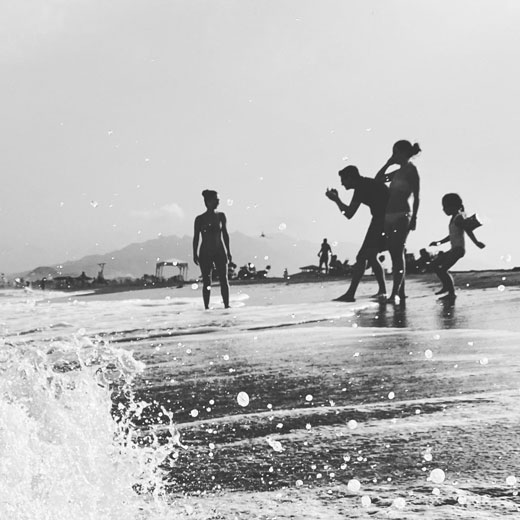
We also cannot underestimate the value of real world encounters: shaking someone’s hand, giving a memorable presentation or putting something thoughtfully made into their hands, where the weight of the paper and the quality of the print become part of the message. The same is true of the taste and texture of food and drink, the conversation that unfolds around a table, the sun on your face and the sound of the waves lapping against the shore.
Sitting in Crete with a book in my hands and my phone back in the room reminded me how much of life is felt through these ordinary, physical pleasures, and however compelling the content on our screens becomes, I still don’t think you can beat it.
Why this matters
More from
Hospitality
: Insight, Creative & Strategy